
Acarology Unit
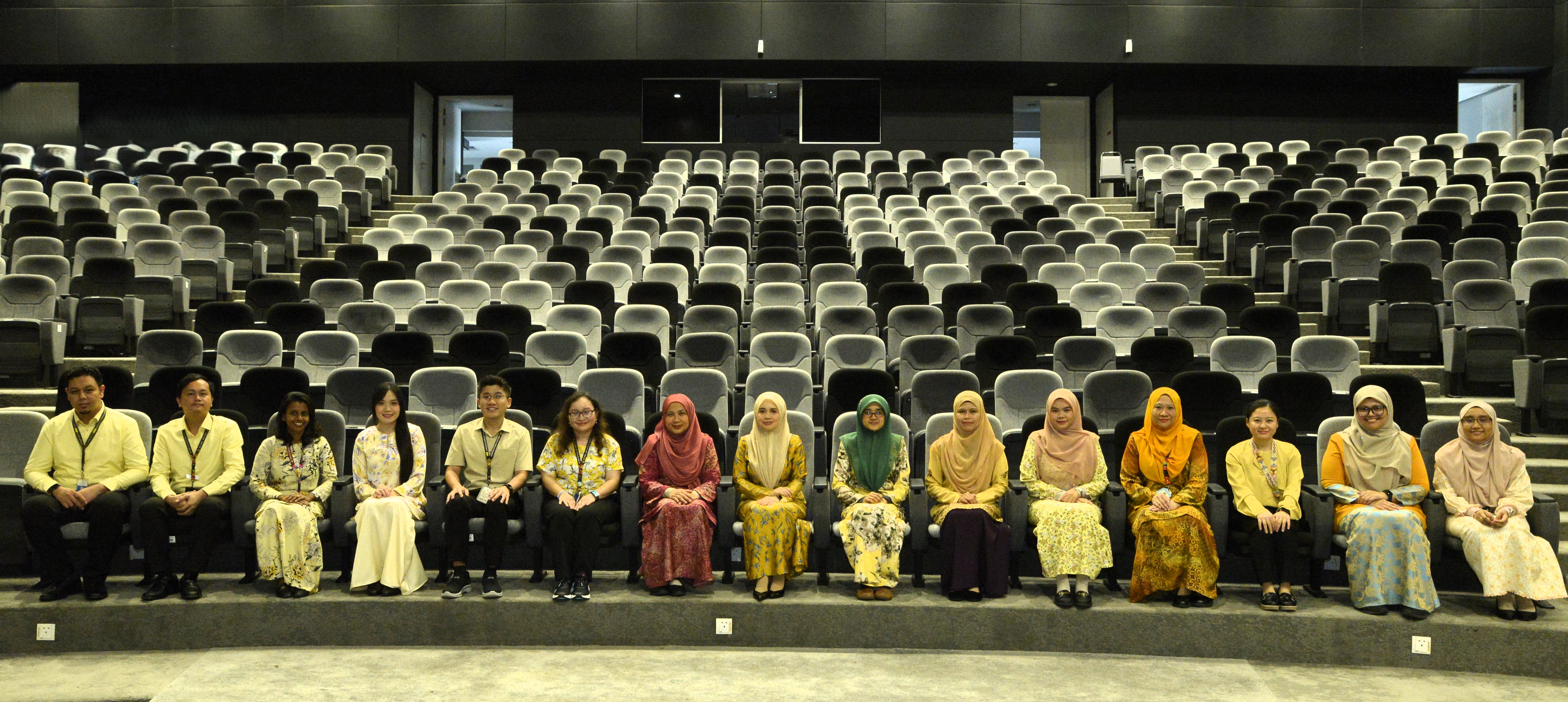
Acarology Unit
The Acarology Unit specializes in the study of medically important Acari (ticks and mites) and their associated diseases, ranging from tick-borne diseases (rickettsioses and borrelioses), human otoacariasis, scrub typhus, to scabies and dust mite allergies. Leveraging extensive field experience dating back to 1967, the Unit conducts comprehensive surveillance across diverse ecosystems to monitor vector bionomics and document new species.
Current research focuses on the molecular detection and characterization of pathogens such as Rickettsia, Orientia, Borrelia, Anaplasma, and Ehrlichia in vector ticks and mites. Simultaneously the Acarology Unit is working on the development of point-of-care (POC) diagnostic assays which includes Loop-mediated Isothermal Amplification (LAMP), Aptamer-based detection, lateral flow assay, and multiplex real-time PCR for disease surveillance and pathogen screening in vector and their animal hosts.
Beyond research, the Acarology Unit provides essential diagnostic services for human infestations, offers expert consultation on outbreak control, and conducts specialized training for public and private agencies. Through local and international collaborations, the Acarology Unit continues to strengthen national capabilities in diagnosing and monitoring acari-borne threats.
Acarology Unit
Head of Acarology Unit

Human Resource Profile
Specialists
Medical Officers
Research Officers
Support Staffs
Focus Area
Disease Burden & Epidemiology
Scope: Insert based on IMR scope
Highlights:
- Research theme. Refer to example in other centre
Disease Prevention & Control
Scope: Insert based on IMR scope
Highlights:
- Research theme. Refer to example in other centre