
RESEARCH
Special Resource Centre
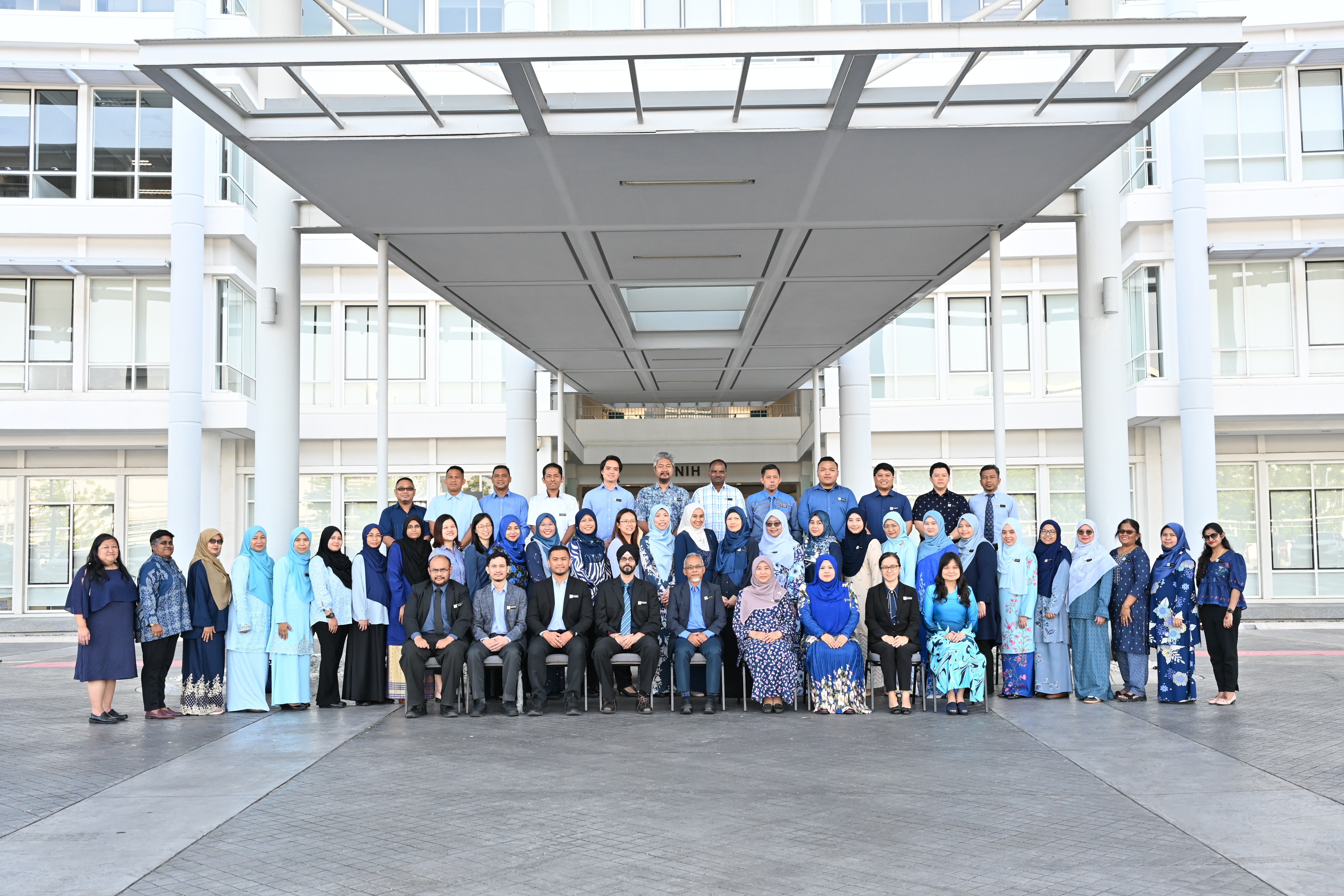
Special Resource Centre
The Special Resource Centre (SRC) serves as a centre that strengthens the Institute’s scientific and research capabilities. As part of Malaysia’s leading biomedical research institution, SRC plays a vital role in supporting high-quality, evidence-based research aligned with national health priorities. SRC provides integrated expertise in research methodology, statistical analysis, epidemiology, and data management, which are core elements essential for robust and impactful research. By supporting study design, data handling, and advanced analytical approaches, the Centre ensures that research conducted within IMR meets rigorous scientific standards. This support enhances the reliability and relevance of findings, ultimately contributing to improved public health outcomes.
In addition to its technical functions, SRC is instrumental in capacity building. It offers training programmes, workshops, and consultation services to researchers, healthcare professionals, and external collaborators. These initiatives promote knowledge transfer, strengthen research competencies, and foster a culture of continuous learning and innovation. SRC consists of specialized units, including the Biomedical Epidemiology Unit, Biomedical Museum, Electron Microscopy Unit, and Laboratory Animal Resource Unit. Through this integrated framework, SRC facilitates access to centralized expertise and infrastructure, encouraging multidisciplinary collaboration and efficient resource utilization.
Executive Summary
Head of Special Resource Centre
Dr. Mohd Azahadi bin Omar
MD (UKM, Malaysia), MCommHealth (Epidemiology & Statistics, UKM, Malaysia), FAMM
Telephone: +603-3362 8733
Email: drazahadi@moh.gov.my
Centre Objectives
To support medical and scientific progress by providing expert services, research facilities, and valuable scientific collections.
To bring together different areas of expertise, from epidemiological research and imaging to animal care and museum preservation.
Centre Functions
To provide epidemiological, laboratory, and imaging expertise through its specialized units to support data-driven and experimental biomedical studies.
To ensure the ethical care, management, and supply of laboratory animals for scientific research and testing.
To offer electron microscopy and related technologies for high-resolution structural and ultrastructural biomedical investigations.
To curate animal specimen collections and permanent galleries to document IMR’s scientific legacy and contributions to medical research.

Human Resource Profile
Specialists
Medical Officers
Veterinary Officers
Research Officers
Science Officers
Support Staffs
Biomedical Epidemiology Unit
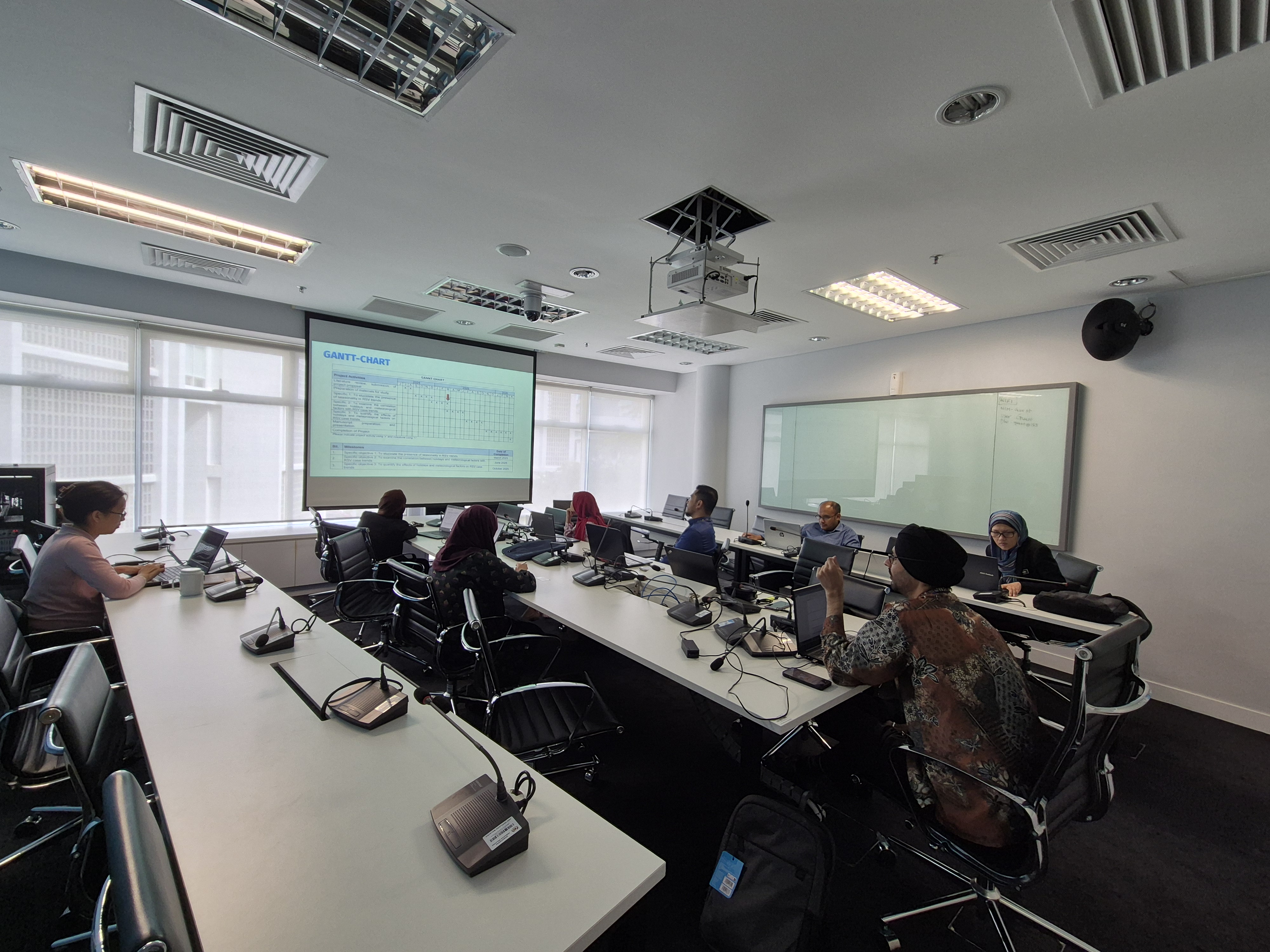
The Biomedical Epidemiology Unit applies advanced epidemiological analytics to strengthen disease surveillance, preparedness, and control. Core expertise includes disease forecasting and transmission dynamics modelling, spatiotemporal epidemiological analyses and molecular epidemiology.
Key Activities
- Epidemiological modelling (forecasting & transmission dynamics)
- Spatiotemporal epidemiology
- Molecular epidemiology
- Conduct training in disease modelling, spatiotemporal epidemiology and epidemiological research
- Technical advisory in disease modelling, spatiotemporal epidemiology and epidemiological research
Biomedical Museum Unit
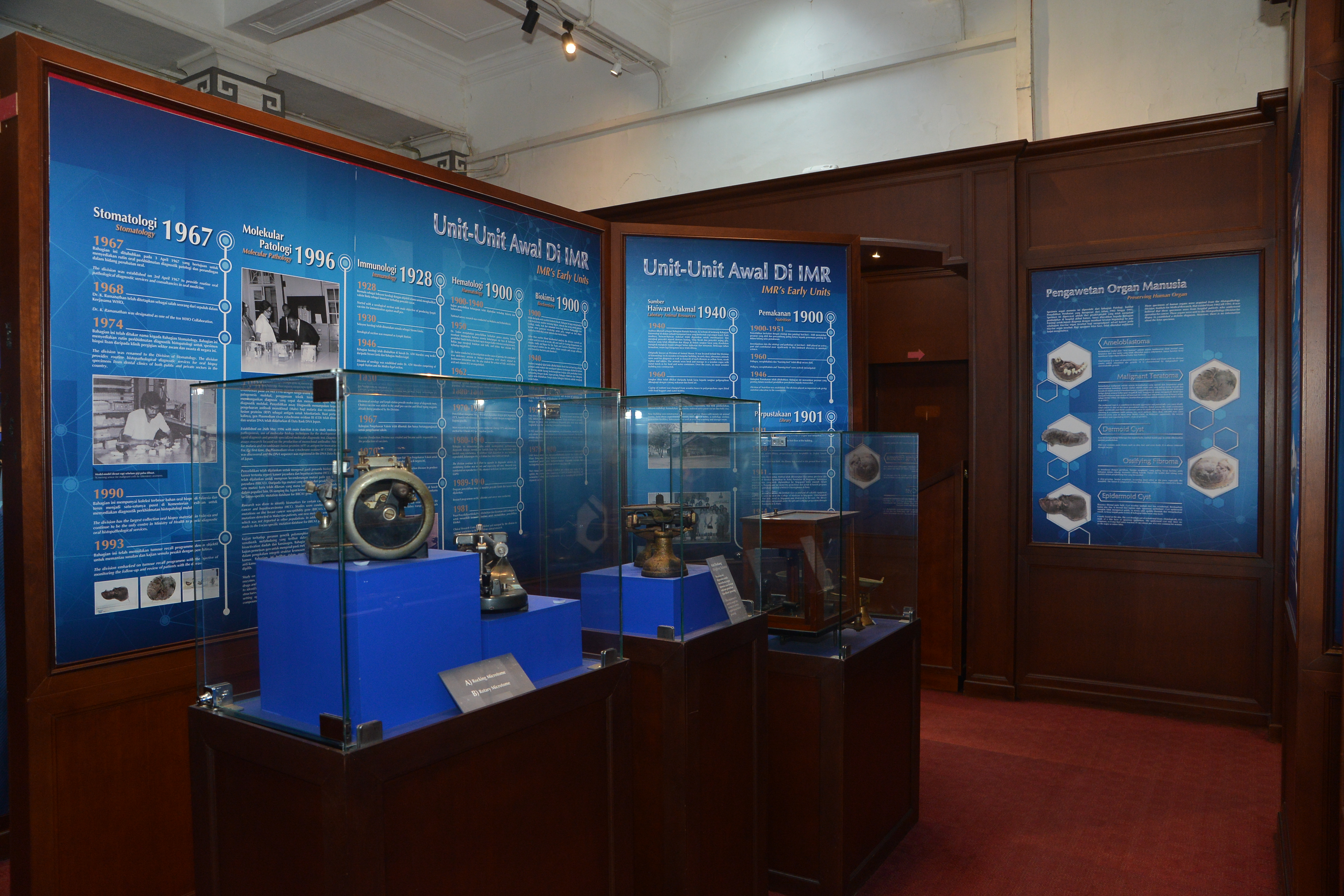
The IMR Biomedical Museum serves as a repository preserving around 15,000 medical importance animal specimens and scientific artifacts. The museum also provides consultation services on gallery design, specimen preservation, and conservation.
Key Activities
- Specimen collection & preservation
- Gallery exhibitions
- Consultation services on gallery design, specimen preservation, conservation and digitisation.
Electron Microscopy Unit
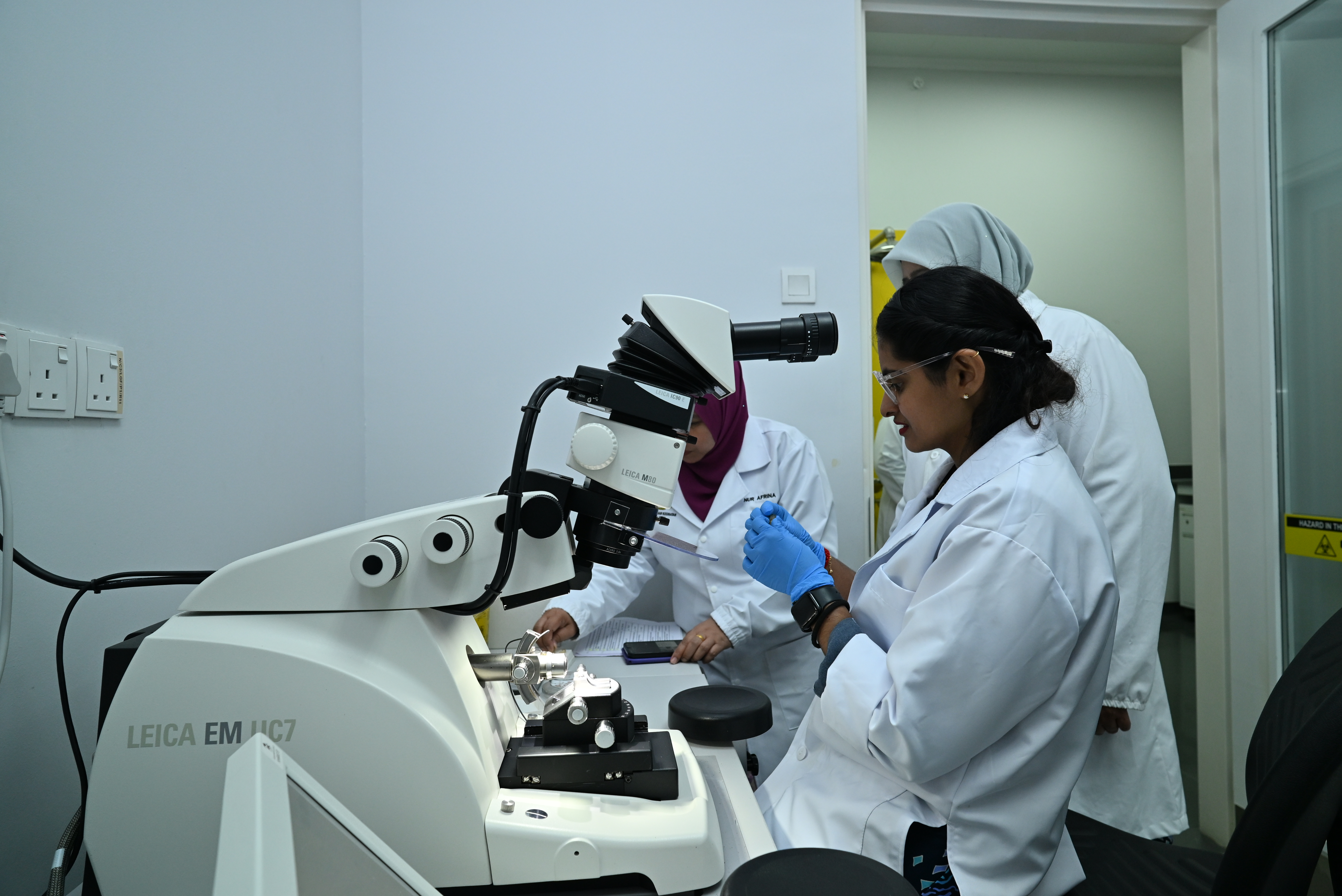
The Electron Microscopy (EM) Unit provides advanced diagnostic support through Transmission Electron Microscopy (TEM) and Scanning Electron Microscopy (SEM), offering ultrastructural analysis that complements light microscopy and immunofluorescence.
Key Activities
- Transmission Electron Microscopy (TEM) services
- Scanning Electron Microscopy (SEM) services
- Research on pathogens, cellular and tissue ultrastructure
- Biopsy samples for diagnostic purposes
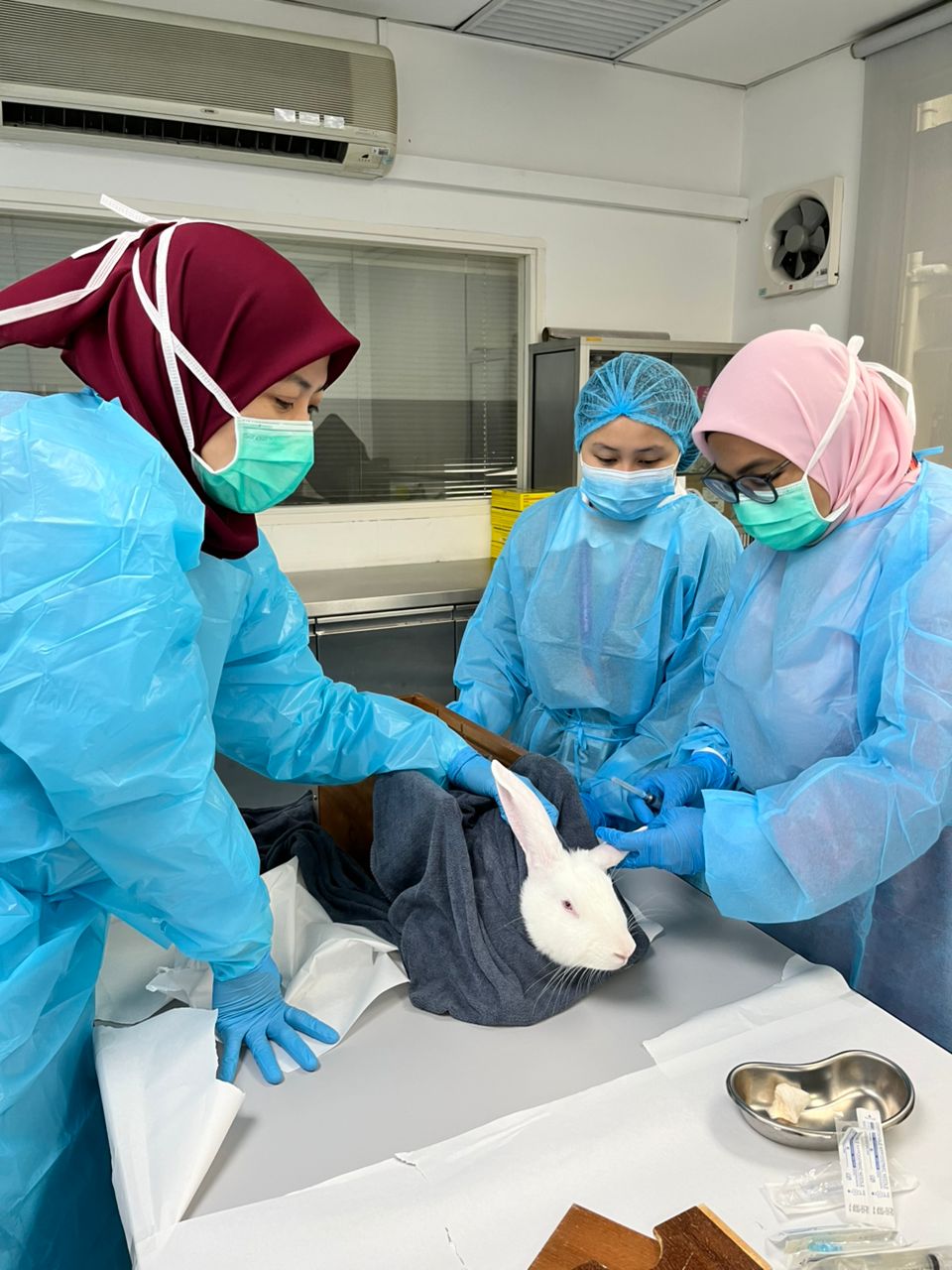
Laboratory Animal Resource Unit
LARU is the only unit under the Ministry of Health (MOH) conducting laboratory animal breeding activities. Beyond breeding, LARU provides veterinary services, technical expertise, and hands-on training in animal care, handling, sampling, diagnostics, treatment, and necropsy.
Key Activities
- Laboratory animal breeding and supply
- Veterinary technical and advisory services
- Animal ethical oversight and monitoring ACUC-MOH compliance