
Biomedical Museum Unit
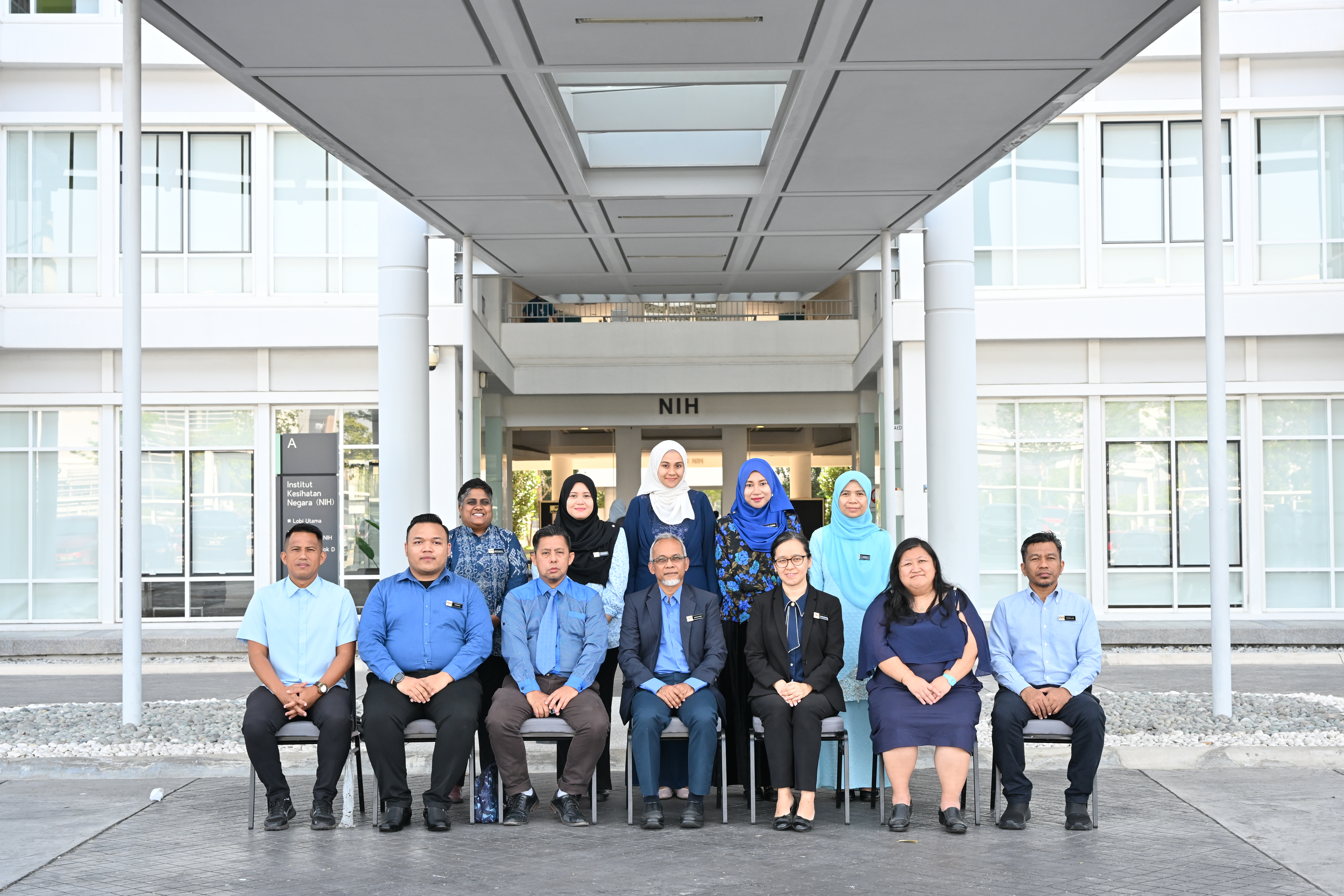
Biomedical Museum Unit
The Biomedical Museum IMR, established in 1967, was Malaysia’s first biomedical museum. It was initially part of the Division of Vertebrate Zoology and the Biomedical Museum, headed by Dr. Lim Boo Liat. On June 4, 1983, it was officially launched as the "Biomedical Museum" by YB Tan Sri Chong Hon Nyan, then Minister of Health Malaysia. The museum is housed in a historic 1928 building along Jalan Pahang, Kuala Lumpur, which was officially recognized as a Heritage Building on April 14, 1983, under the Antiquities Act 1976.
It preserves over 15,000 specimens of medical importance—particularly small mammals, reptiles, and amphibians collected since 1906. These specimens were used for research on malaria, scrub typhus, cholera, and other tropical diseases, offering a unique glimpse into Malaysia’s scientific and public health history.
The museum features 10 galleries open to the public Monday to Friday. Six galleries focus on IMR’s research, innovation, and development, such as the Historical Gallery, Dr. Wu Lien-Teh Gallery, Traditional Malay Medicine Gallery, Maggot Debridement Therapy Gallery, Medicinal Leech Therapy Gallery, and Stomatology Gallery. The remaining four galleries display animal specimens, notably the Snake Gallery, Bat Gallery, Bird Gallery, and Rare and Endangered Mammals Gallery. The museum regularly welcomes group visits from schools, universities, colleges, and international institutions.
It actively collaborates with national agencies and universities. Specimens are digitised and accessible online via the Malaysia Biodiversity Information System (MyBIS), enhancing research visibility and serving as a valuable resource for researchers and educators nationwide.
Executive Summary
Head of Biomedical Museum Unit
Dr. Cheong Yoon Ling
Bsc (Hons.) in Information Technology (UNITEN, Malaysia), Msc in GIS & Remote Sensing (UPM, Malaysia), PhD in Geography (University Humboldt Berlin, Germany)
Google Scholar | ORCID | ResearchGate
Telephone: +603-26162666 (ext 2810)
Email: cheongyl@moh.gov.my
Visit Our Website
You are invited to visit the Malaysia Biodiversity Information System (MyBIS) to explore valuable resources, collections, and information supporting biomedical and biodiversity research.

Human Resource Profile
Research Officers
Support Staffs
Focus Area
Vector Control, New Vector Control
Scope: Wolbachia operation, national programme rollout, sterile mosquitoes
Highlights:
Wolbachia mosquito releases
Sterile Insect Technique (SIT)
Insecticide resistance & mutation studies
Spatiotemporal and environmental factors influencing dengue
Disease Prevention
Scope: Geographical Information System (GIS)
Highlights:
Spatio-temporal Patterns Of Dengue Disease In Malaysia
COVID-19 Spatiotemporal Spread Patterns
Epidemiological Characteristics of First Wave of COVID-19
Discovery
Scope: Taxonomy
Highlights:
Taxonomy study on zoological collection
Bibliometric analysis on zoological collection
Disease Modelling & Prediction
Scope: Modelling
Highlights:
Studies on tuberculosis care gaps, including loss to follow-up and gender differences in treatment delay.
Modelling work evaluating the effectiveness of COVID-19 control measures.
Analysis of environmental and land-use factors associated with dengue cases using advanced modelling techniques.
Specimen & Artefact Care
The museum conducts workshops and courses to ensure the proper preservation and handling of biological specimens and historical artefacts.
Area of Expertise
Conserve dry and wet specimens
Specimen Digitisation
The museum conducts workshops to train on improving accessibility and documentation of the rare specimens by reducing the need for physical handling, protecting them from damage and deterioration.
Area of Expertise
Digitise the animal specimen using photography techniques
Gallery Development
The museum supports research evaluation through the Bibliometric Research, which teaches methods to measure the performance and impact of published research, providing valuable insights for planning and improving scientific output.
Area of Expertise
Bibliometric research for measuring published research performance