
Biomedical Epidemiology Unit
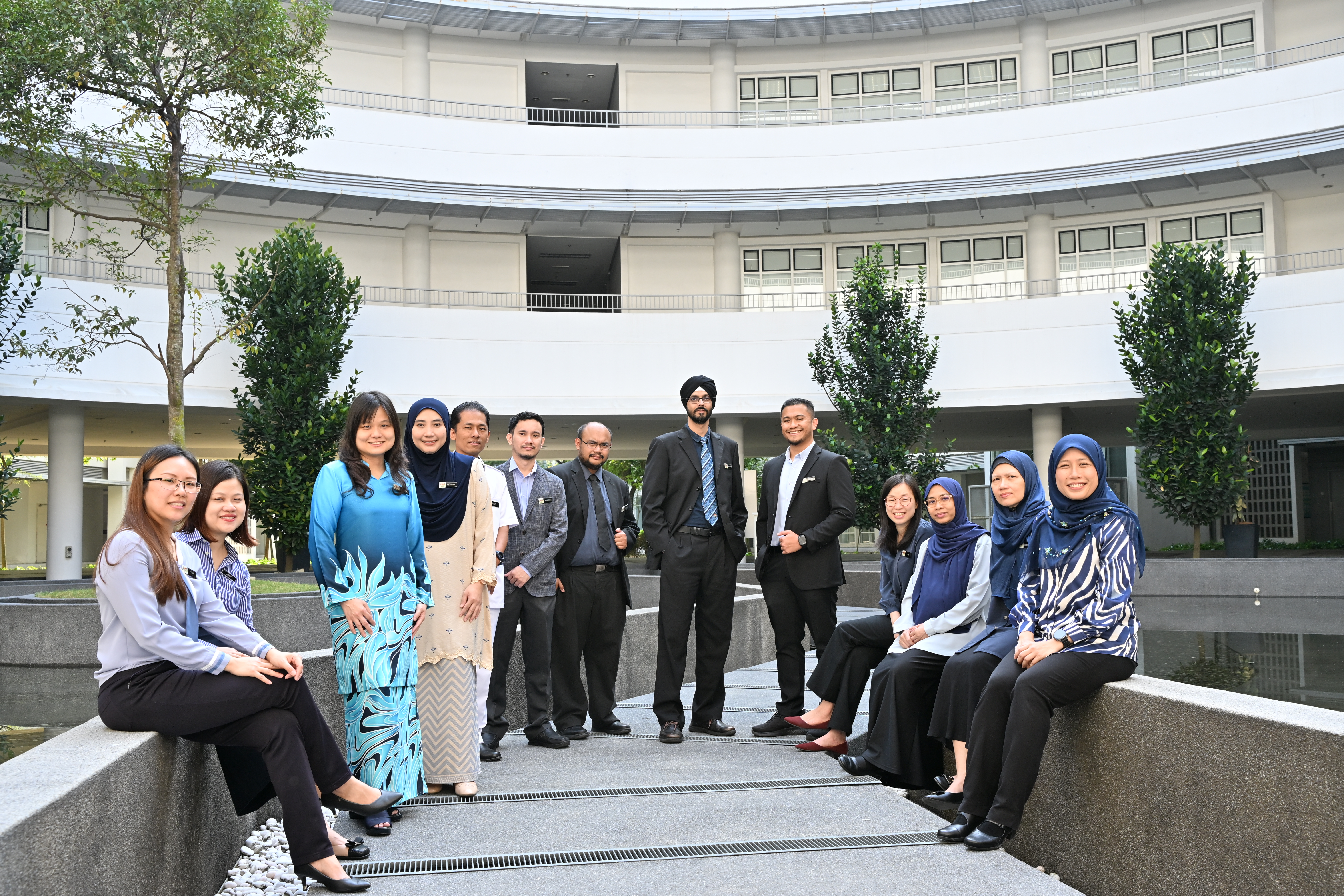
Biomedical Epidemiology Unit
The Biomedical Epidemiology Unit applies advanced epidemiological analytics to strengthen disease surveillance, preparedness, and control. The focus is on translating complex data into clear, actionable insights that support evidence based decision making. Core expertise includes disease forecasting and transmission dynamics modelling, using advanced analytical and modelling approaches to support early warning system development and scenario planning.
Spatiotemporal epidemiological analyses are applied to understand geographic and temporal attributes and variation in disease occurrence, supporting context appropriate public health response. In molecular epidemiology, capacity is being developed to integrate pathogen genomic data with epidemiological information to enhance surveillance and outbreak preparedness.
Across these domains, the unit delivers capacity building and technical advisory to strengthen epidemiological analytical capabilities within public health agencies, research organizations, and healthcare systems.
Executive Summary
Head of Biomedical Epidemiology Unit
Dr. Sarbhan Singh A/L Lakha Singh
MBBS (Manipal, India), OHD (NIOSH, Malaysia), MPH (UM, Malaysia), DrPH (UM, Malaysia)
Google Scholar | ORCID | ResearchGate
Telephone: +603-3362 7452
Email: lssarbhan@moh.gov.my

Human Resource Profile
Specialists
Medical Officers
Research Officers
Support Staffs
Focus Area
Disease Modelling & Prediction
Scope: AI-driven analytics, mathematical and statistical modelling
Highlights:
Utilise multiple modelling approaches including time-series, compartmental, and machine learning methods.
Develop disease forecasting models for outbreak prediction.
Build transmission dynamics models to evaluate intervention impact.
Disease Prevention & Control
Scope: Epidemiology, spatiotemporal epidemiology, molecular epidemiology
Highlights:
Develop analytical epidemiological indicators (R-value, situational matrices, and epidemic thresholds) for real-time disease surveillance and response.
Conduct spatiotemporal analyses to identify priority locations for targeted public health action.
Integrate molecular insights to enhance understanding of disease epidemiology.
Disease Monitoring
Scope: Surveillance
Highlights:
Enhance surveillance capabilities to support early detection and proactive public health action.
Infectious Disease Modelling
Expert guidance and support on conceptual understanding of disease modelling, as well as utilization of advanced epidemiological modelling methods for forecasting
Area of Expertise
Time-series modelling
Compartmental modelling
Machine learning
Epidemiological Indicator for Disease Surveillance
Provide guidance and support on identification, estimation, interpretation and application of epidemiological indicator for real-time disease surveillance
Area of Expertise
Disease transmissibility indicators (R0/Rt)
Thresholds (Baseline/Seasonal/Alert)
Situational Matrix
Epidemiological Research
Provide methodological support for study design, data analysis, interpretation, and protocol development in epidemiology-related research.
Area of Expertise
Study design
Sample size calculation
Statistical analysis
Evidence synthesis