
Bacteriology Unit
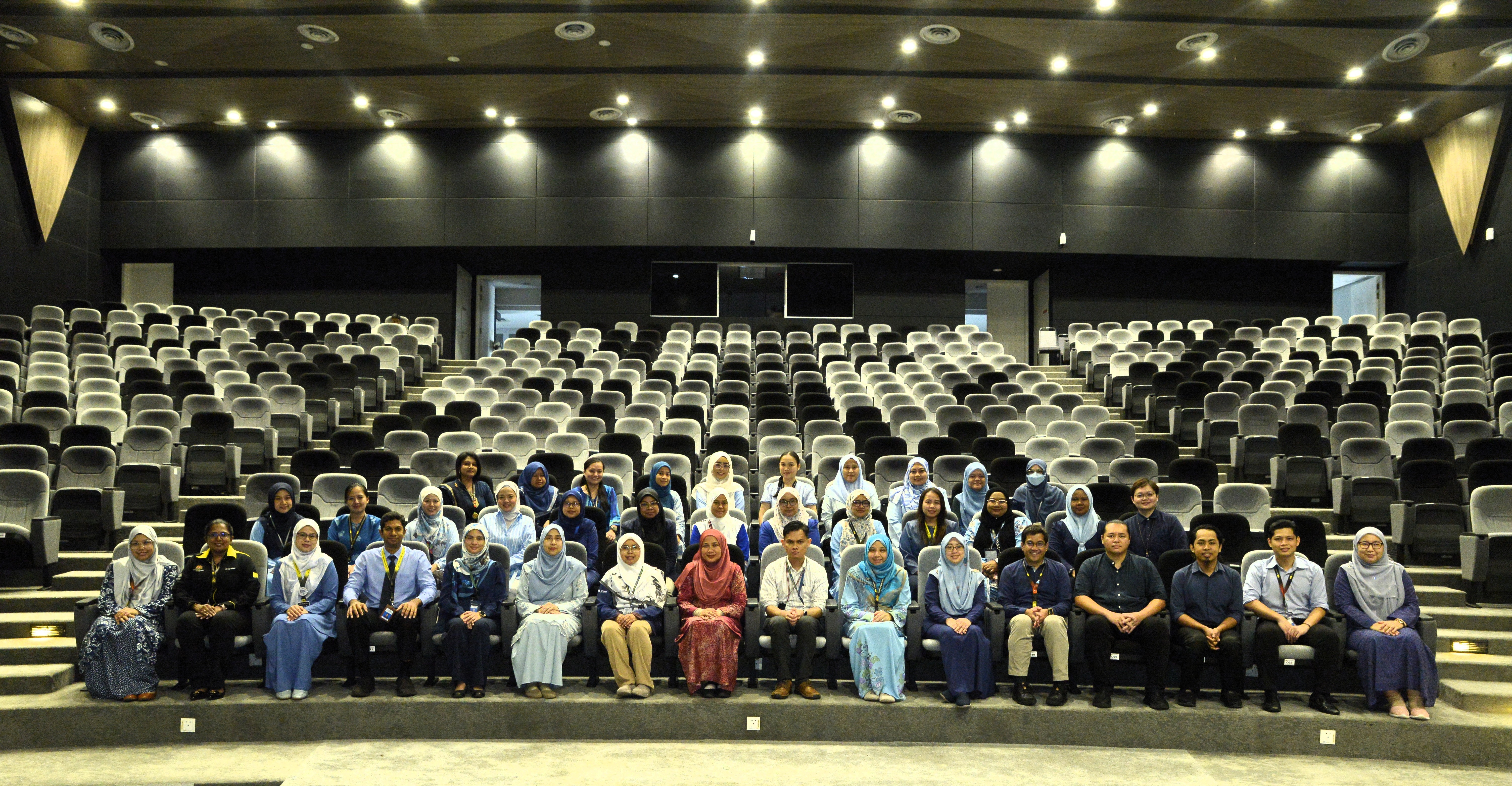
Bacteriology Unit
The Bacteriology Unit was established in 1990 alongside the founding of the Institute for Medical Research (IMR). In its early years, the unit focused on microbiological work related to the microbiological quality of natural water sources in Malaysia and bacteriological diagnostic services.
Several years later, the unit gradually evolved into a research-oriented unit. Among its notable achievements were the confirmation by pathologists Whitemore, Fletcher, and Stanton that Bacillus malei (later known as Burkholderia pseudomallei) is the causative agent of melioidosis; the isolation of Streptomyces, an antibiotic-producing fungus, from Malaysian soil (1951); and the discovery of the antibiotic actinomycin (1961). Another major achievement was the development of an immunoperoxidase test for the laboratory diagnosis of scrub typhus (1985) and later ELISA (2024).
Currently, the unit focuses on research into infectious diseases and their causative organisms such as Leptospirosis, Tuberculosis, Brucella, Antimicrobial Resistance, Melioidosis, Rickettsia diseases and invasive fungal infections The Unit is also the MOH reference centre for Leptospirosis and Brucellosis. It employs various modern molecular techniques such as peptide and recombinant protein synthesis, DNA probes, as well as DNA amplification and hybridization methods like polymerase chain reaction (PCR) and pulsed-field gel electrophoresis (PFGE) — in addition to traditional methods like culturing, serotyping, and phage typing, which have certain limitations
The unit also houses the Culture Collection Centre (established in 1970) and serves as the National Coordinating Centre for Antibiotic Resistance Surveillance.
Executive Summary
Head of Bacteriology Unit
Dr. Rohaidah binti Hashim
MBBS (UM, Malaysia) Master of Pathology (Medical Microbiology) (UKM, Malaysia)
Google Scholar | ResearchGate | Scopus
Telephone: +603-3362 7809
Email: rohaidah@moh.gov.my

Human Resource Profile
Specialists
Medical Officers
Research Officers
Science Officers
Support Staffs
Focus Area
Disease Prevention & Control
Scope: Epidemiology and occupational risk assessment, environmental influences, GIS, topographic effect, molecular epidemiology and tracking of cases and identification of clones
Disease Investigation and diagnostic
Scope: Rapid detection/POCT, leverage on genomic,proteomic and whole genome methods
Disease Treatment and Monitoring
Scope: Natural product for drug discovery, phage therapy, disease surveillance to monitor burden of disease in community
Modelling, Prediction and Discovery
Scope: Surveillance data and statistical modelling for disease prediction, biomarker discovery for disease prediction, leverage on genomic, proteomic and whole genome methods for disease prediction