
Haematology Unit
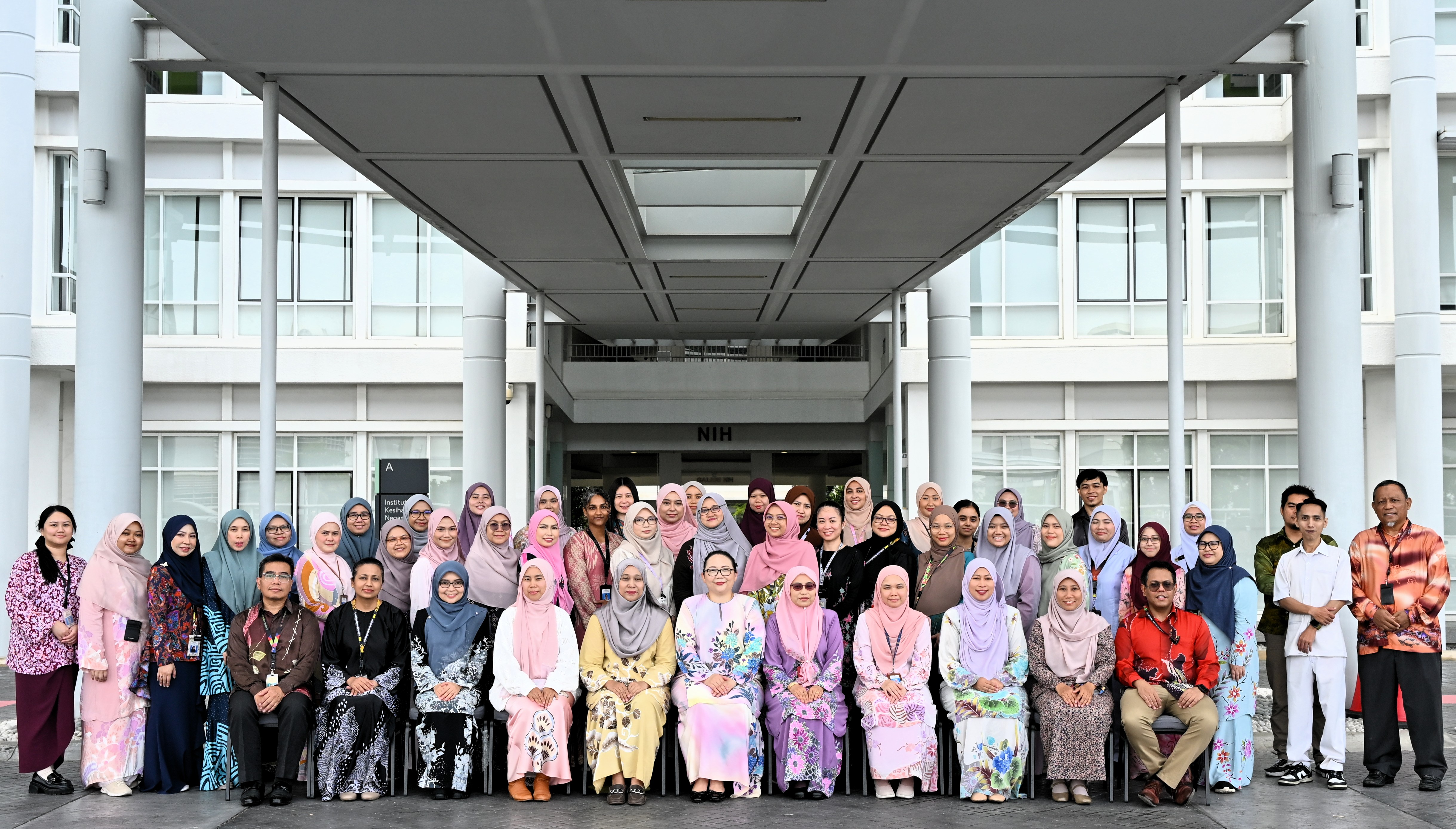
Haematology Unit
The Haematology Unit at the Cancer Research Centre, IMR, is dedicated to advancing research, diagnostics, and innovation in haematological and genetic disorders, seamlessly integrating scientific discovery with precision diagnostics to improve patient care.
Our research focuses on elucidating the genetic and molecular mechanisms of blood cancers, inherited disorders, and bleeding disorders such as thalassaemia and haemophilia, through multi-omics approaches and the identification of novel biomarkers for targeted therapy. We are also at the forefront of stem cell and regenerative medicine, exploring applications of MSC, CAR-T/NK immunotherapies, and induced pluripotent stem cell (iPSC) models for disease modelling and treatment innovation.
The Unit operates accredited, state-of-the-art laboratories offering advanced molecular diagnostic services, including comprehensive testing for thalassaemia, haemophilia, and other genetic blood disorders, supporting precision medicine and optimal patient management.Through our GMP-compliant facility, we produce clinical-grade MSCs, exosomes, and biologic products that drive translational research and therapy development.
Executive Summary
Head of Haematology Unit
Dr. Yuslina binti Mat Yusoff
MBBS (IIUM, Malaysia), MPath (Haematology) (UKM, Malaysia), Fellowship in Haematological Disorder (UKM, Malaysia)
Google Scholar | ResearchGate | WOS | Scopus
Telephone: +603-3362 7869
Email: yuslina.my@moh.gov.my

Human Resource Profile
Specialists
Medical Officers
Pharmacist
Research Officers
Science Officers
Support Staffs
Focus Area
1) Leukaemia
Discovery
Scope: Multiomics (new biomarkers, new drug target, novel mutation)
Highlights:
Genomic Profiling in Acute Myeloid Leukaemia
Clonal evolution in Relapsed Acute Myeloid Leukaemia
Genomic Landscape Of Childhood Acute Lymphoblastic Leukaemia In Malaysia
2) Multiple Myeloma
Discovery
Scope: Multiomics (new biomarkers, new drug target)
Highlights:
Identification of molecular targets and potential mechanisms of multiple myeloma
Analysis of copy number variations in multiple myeloma
3) Thalassaemia and Haemoglobinopathy
Discovery
Scope: Multiomics (new biomarkers, novel mutation), AI-driven analysis (variant curation interface for variant classification)
Highlights:
Whole exome sequencing for characterisation of thalassemia and hemoglobinopathies
Identification of new alpha zero (α0) thalassaemia deletion (--GB) among Malays in the Malaysian population.
Disease Diagnosis
Scope: Molecular tests (development, evaluation/validation)
Highlights:
Identifying β-Globin gene mutations in Malaysian β-thalassemia cases
Molecular spectrum and carrier rate of deletional HPFH and δβ-thalassemia in Malaysia
Population Screening
Scope: Epidemiology study (comprehensive mapping of the mutation spectrum), genetic counselling module
Highlights:
Population genetics of primary globin genes in Malaysian beta-thalassaemia patients
Distribution of alpha thalassaemia gene variants in diverse ethnic populations in Malaysia
Clinical practice guideline on management of thalassaemia
Prognostication/ Prediction
Scope: New biomarkers (development, evaluation/validation)
Highlights:
Molecular analysis of alpha-globin gene triplication and its variants in beta-thalassaemia heterozygotes
4) Haemophilia and Bleeding Disorders
Disease Diagnosis
Scope: Molecular tests (development, evaluation/validation)
Highlights:
Molecular profiling of haemophilia for improved diagnostic accuracy
Disease Screening
Scope: Molecular tests (development, evaluation/validation)
Highlights:
Clinical practice guideline on management of haemophilia
5) Stem Cells and Regenerative Medicine
Disease Treatment and Management
Scope: Stem cell therapy (mesenchymal stem cell (MSC) therapy), drug discovery (biologics), GMP compliance (quality, safety, efficacy)
Highlights:
Development of genetically modified msc for lung cancer treatment
In vitro anti-cancer activity of human umbilical cord msc
Guidelines on stem cell and cell-based research and therapy
Establishment of gmp facilities for the production of clinical-grade therapeutic products
Modelling and Prediction
Scope: Disease modelling (cardiovascular disease post-chemotherapy)
Highlights:
Establishment of patient-specific human induced pluripotent stem cells (hiPSCs) and derived cardiomyocytes (hiPSC-CMs) to investigate doxorubicin-induced cardiotoxicity