
Primary Immunodeficiency Unit
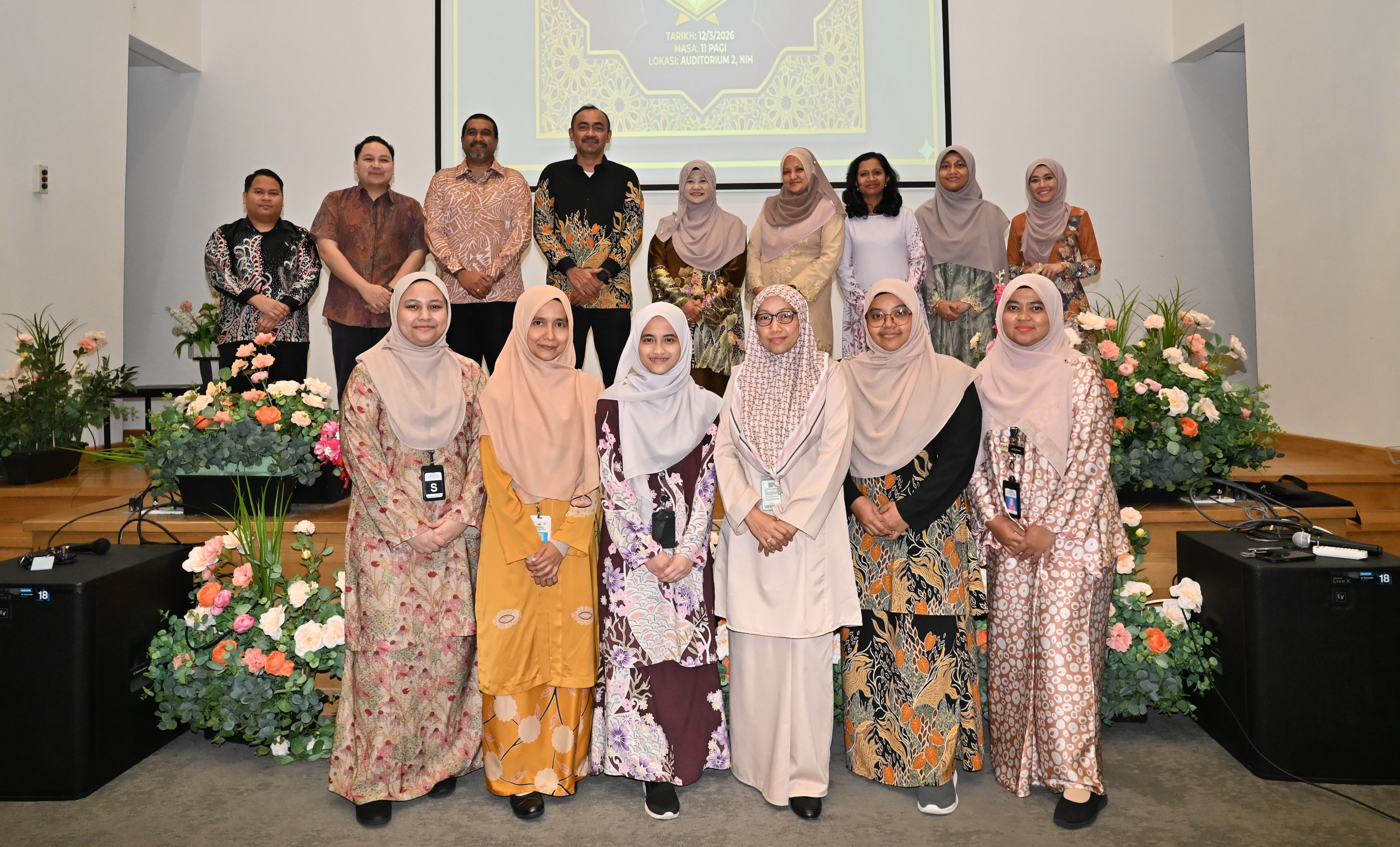
Primary Immunodeficiency Unit
Laboratory services for primary immunodeficiency commenced in the 1990s, with an initial focus on the precise quantitation of immunoglobulin and complement levels. Established in 2010 within the Allergy and Immunology Research Centre, the Primary Immunodeficiency Unit serves as the designated referral laboratory for primary immunodeficiency cases. Primary immunodeficiency diseases (PID), or also known as inborn errors of immunity (IEI) refers to a group of diseases characterised by dysfunctional immune system. A total of 559 genetic conditions are currently known. Affected individuals presents with recurrent infections, infections by atypical pathogen, increased susceptibility to allergic conditions, autoimmunity, and malignancy.
The techniques used in the primary immunodeficiency laboratory includes flow cytometry, enzyme-linked immunospot assay, enzyme-linked immunosorbent assay (ELISA) and genomic techniques. The unit conducts research activities to better understand the pathogenesis of primary immunodeficiencies using both proteomics and genetic techniques, aiming at early diagnosis, preventing complications and improving quality of life for affected individuals.
The unit is dedicated to intensive research focused on elucidating the pathogenesis of primary immunodeficiency. Utilizing advanced proteomic and genetic methodologies, the primary objective is to facilitate early diagnosis, mitigate potential complications, and consequently, improve the quality of life for affected patients.
Executive Summary
Head of Primary Immunodeficiency Unit
Dr. Mohd Farid bin Baharin
MD (USM), Professional development in primary immunodeficiency (UK)
Telephone: +603-3362 7746
Email: mohdfarid.b@moh.gov.my

Human Resource Profile
Specialist
Medical Officers
Research Officer
Science Officer
Assistant Science Officer
Support Staffs
Focus Area
Discovery, Intervention and Diagnostics: Primary Immunodeficiency
Scope: Pathogenesis, immunodiagnostics, molecular tests (genomic)