
RESEARCH
Nutrition, Metabolic & Cardiovascular Research Centre
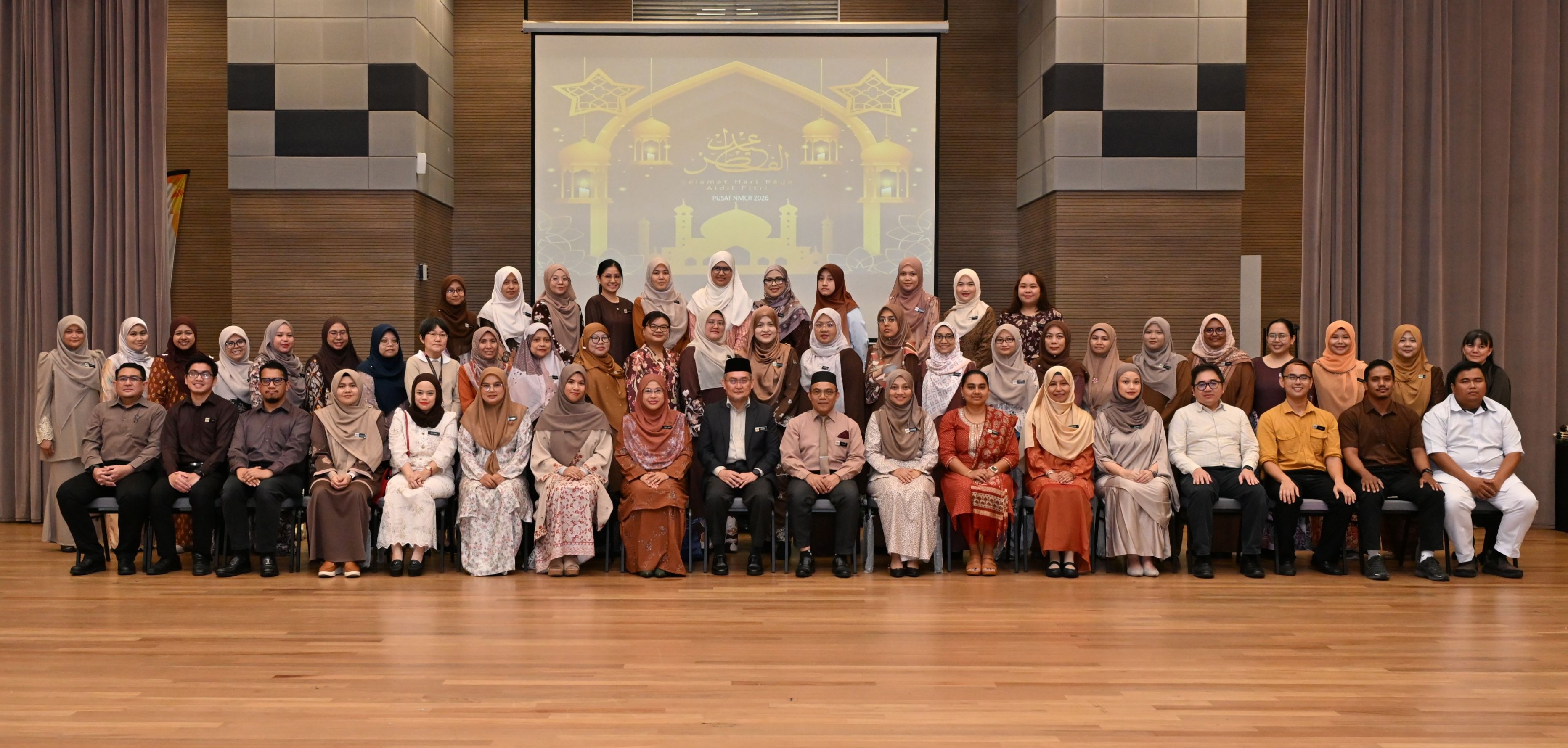
Nutrition, Metabolic & Cardiovascular Research Centre
The Nutrition, Metabolic, and Cardiovascular Research Centre (NMCRC) at the Institute for Medical Research (IMR) is a multidisciplinary research centre dedicated to advancing the understanding, prevention, and management of non-communicable diseases (NCDs), with particular emphasis on endocrine and metabolic disorders, diabetes mellitus, obesity, cardiovascular diseases, rare genetic conditions, and nutrition-related health issues.
NMCRC adopts a comprehensive research approach that integrates preclinical studies using both in-vitro and in-vivo models with community-based and population research, supported by advanced biochemical, molecular, and omics technologies to elucidate disease mechanisms and identify potential biomarkers. Structurally, the centre comprises four specialised units,the Nutrition Unit, Endocrine and Metabolic Unit, Inborn Errors of Metabolism & Genetic (IEM & Genetic) Unit, and the Cardiovascular Unit, each contributing expertise across the research continuum from basic science to translational and applied public health research.
Key research areas include the investigation of functional foods such as seaweed, honey, and bird’s nest for their potential roles in NCD prevention and management, as well as the development of innovative, simple biomarker detection tools, including biosensor-based methods for assessing vitamin D levels in foods and biological samples. NMCRC also plays a vital national role in maintaining and continuously updating the Malaysian Food Composition Database (MyFCD) through rigorous food analysis, supporting research, policy development, and public health nutrition initiatives. In the metabolic and endocrine domain, the centre focuses on uncovering the underlying mechanisms of diabetes and obesity while exploring novel diagnostic and therapeutic strategies.
Parallel efforts in genetic and rare diseases research aim to enhance the understanding, diagnosis, and treatment of conditions such as Inherited Metabolic Disorders (IEM), Spinal Muscular Atrophy (SMA), and age-related diseases through biomarker discovery, disease modelling, and innovative therapeutic development. Cardiovascular research at NMCRC addresses locally relevant risk factors and prognostic determinants of myocardial infarction within the Malaysian population. Through strong local and international collaborations and an integrated, multidisciplinary research framework, NMCRC strives to translate scientific discoveries into meaningful clinical and public health impacts, ultimately improving population health outcomes in Malaysia.
Executive Summary
Head of Nutrition, Metabolic & Cardiovascular Research Centre
Dr. Mohd Fairulnizal bin Md Noh
BSc (Hons) Chemistry (UKM, Malaysia), MSc Biochemistry (UKM, Malaysia), PhD Sensor and Biosensor Technology (Cranfield University, UK)
Telephone: +603-3362 7847
Email: fairulnizal@moh.gov.my
Centre Objectives
To enhance the health and well-being of the population through high-impact biomedical research in the areas of nutrition and non-communicable diseases (NCDs), particularly rare diseases and cardiometabolic diseases.
To strengthen national health research priority areas by providing scientific evidence for the prevention, diagnosis, and management of NCDs related to genetics, lifestyle, and nutrition.
To advance national capacity in biomedical research, innovation, and technology through specialised training, technology transfer, and collaborations with local and international institutions.
Centre Functions
To conduct basic, pre-clinical and translational research in the area of non-communicable diseases (NCDs), particularly in nutrition, rare diseases, and cardiometabolic diseases.
To develop evidence-based interventions, products and technologies that contribute to advancements in nutrition, rare diseases, and cardiometabolic health.
To implement training, mentorship and knowledge-sharing programmes for researchers, students and professionals in the fields of science and technology, focusing on basic, pre-clinical and translational research related to nutrition, rare diseases, and cardiometabolic diseases.
To provide scientific and technical consultancy services to ministries, agencies, academic institutions and industries.
To disseminate research findings and scientific knowledge through presentations and publications to ensure that research outcomes are translated into health benefits for the community.

Human Resource Profile
Specialists
Medical Officers
Research Officers
Scientific Officers
Support Staffs
Cardiovascular Unit
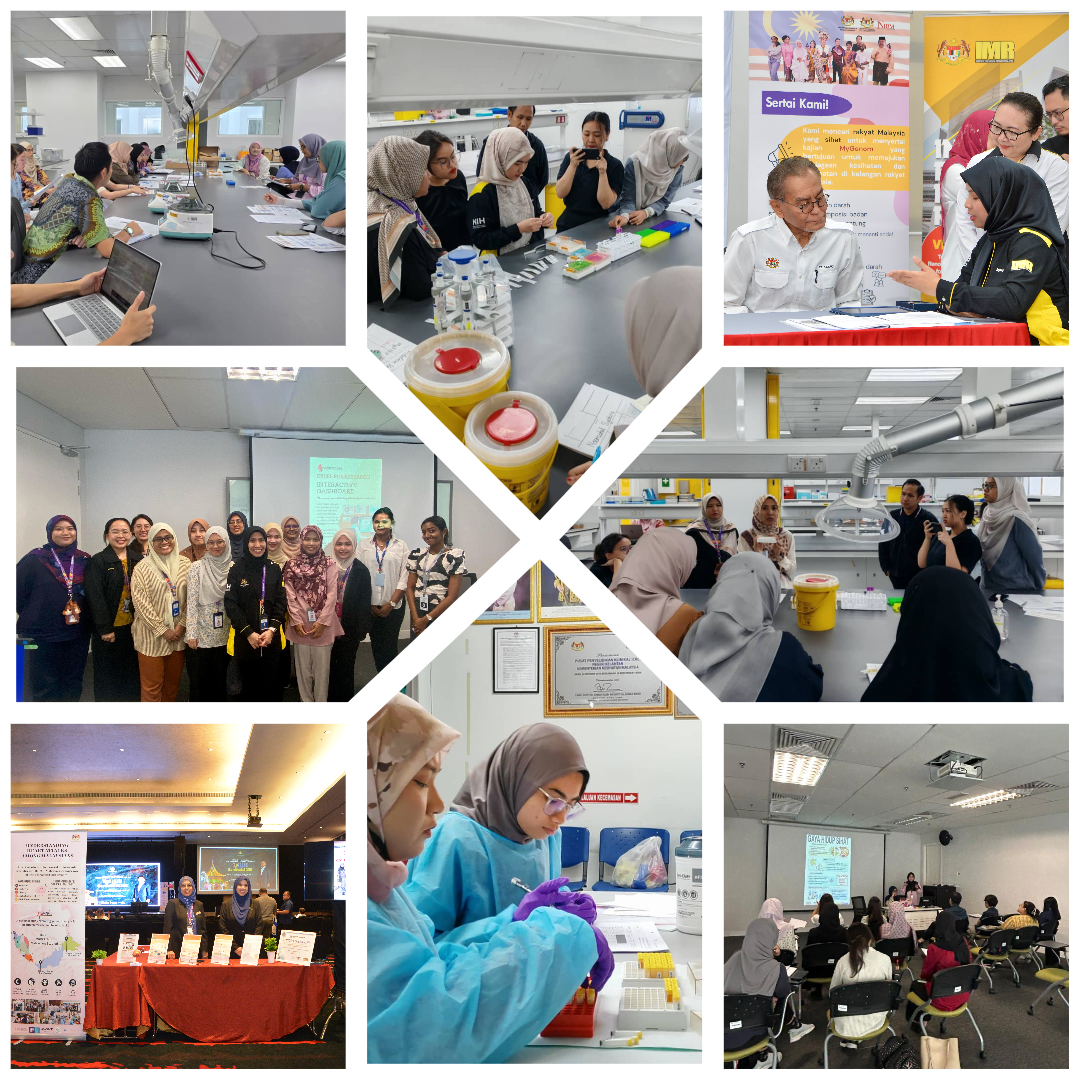
The Cardiovascular Unit explores genetic, lifestyle and environmental risk factors for coronary heart disease and inherited cardiac conditions to strengthen prevention, early detection and management in Malaysia.
Key Activities
- Genetics & biomarker discovery
- Lipidomics & heavy metals profiling
- Risk prediction modelling
Endocrine & Metabolic Unit
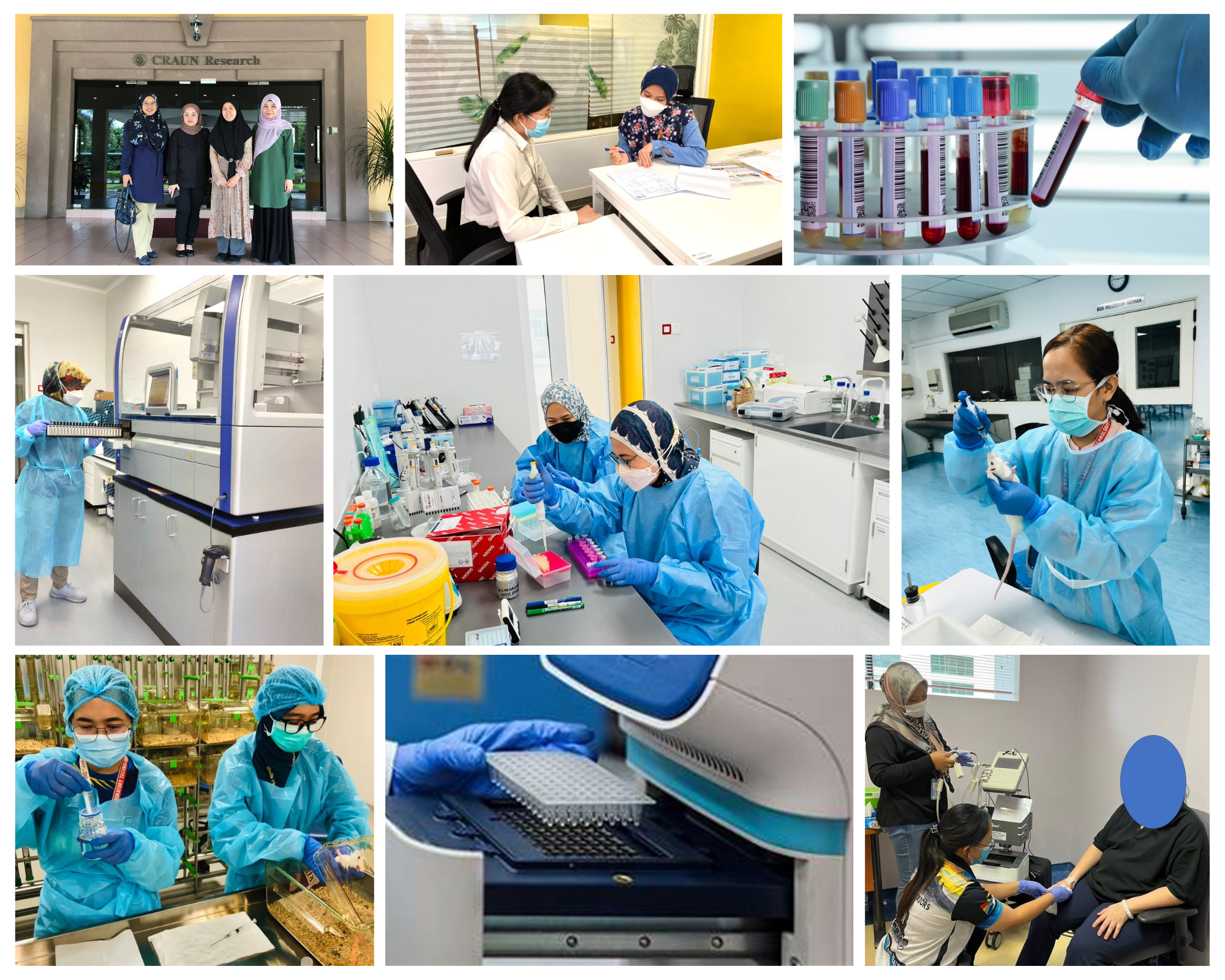
The Endocrine & Metabolic Unit conducts research on endocrine and metabolic diseases, particularly diabetes, metabolic syndrome, obesity, and polycystic ovarian syndrome, as well as their related complications
Key Activities
- Obesity and diabetes intervention
- Biochemistry, molecular, and metabolomic analysis of biomarkers
- Diabetes animal model / in vivo diabetes experimentation / in vivo diabetes interventions
Inborn Errors of Metabolism (IEM) & Genetic Unit
The IEM and Genetic Unit focuses on rare genetic diseases. Its research activities include biomarker and drug discoveries, kit development, disease modelling and bioinformatics to improve health outcomes.
Key Activities
- Biomarker discovery and assay kit development
- Development of alternative treatments
- Bioinformatics/big data analysis
- In-silico / disease modelling
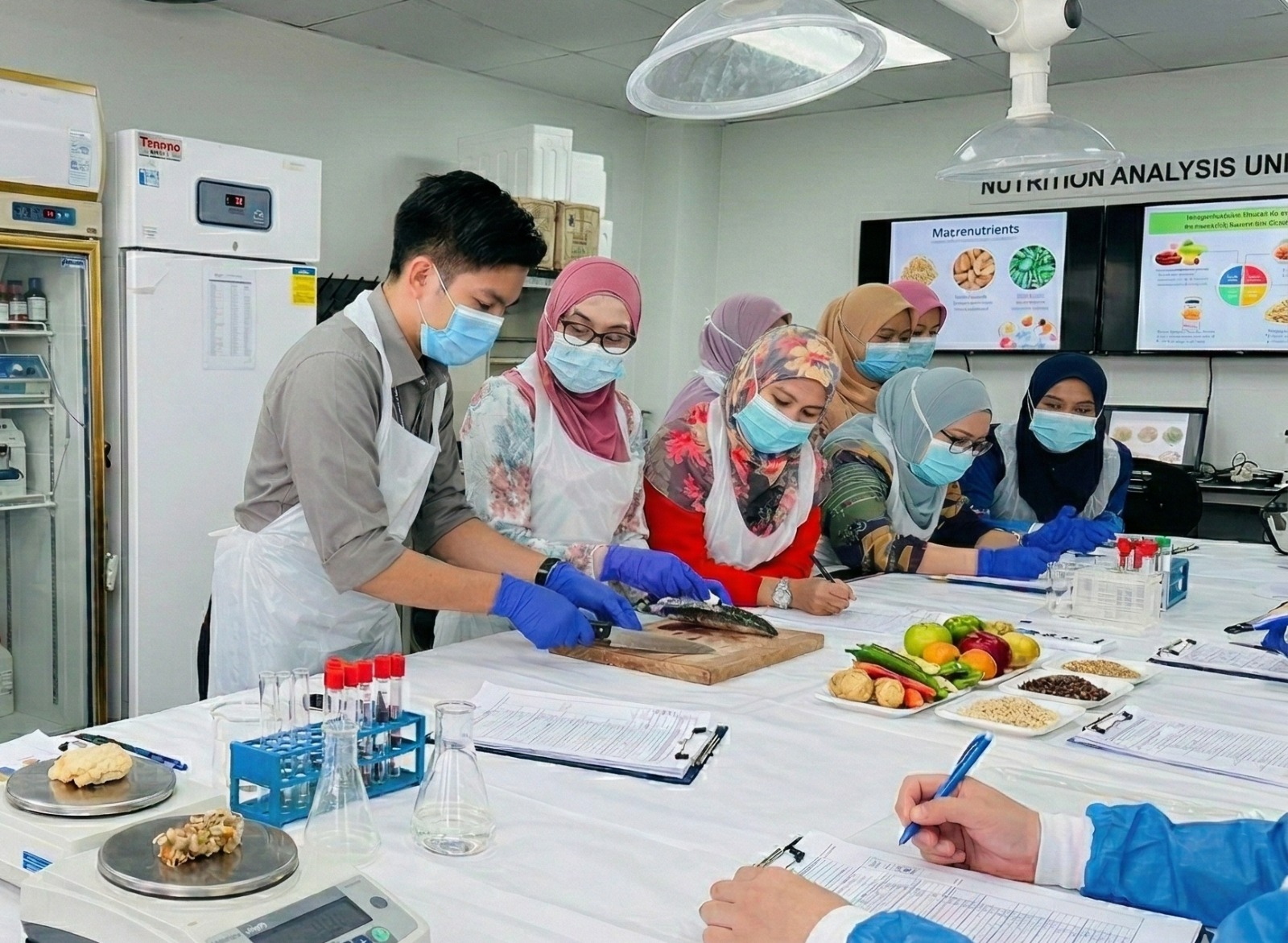
Nutrition Unit
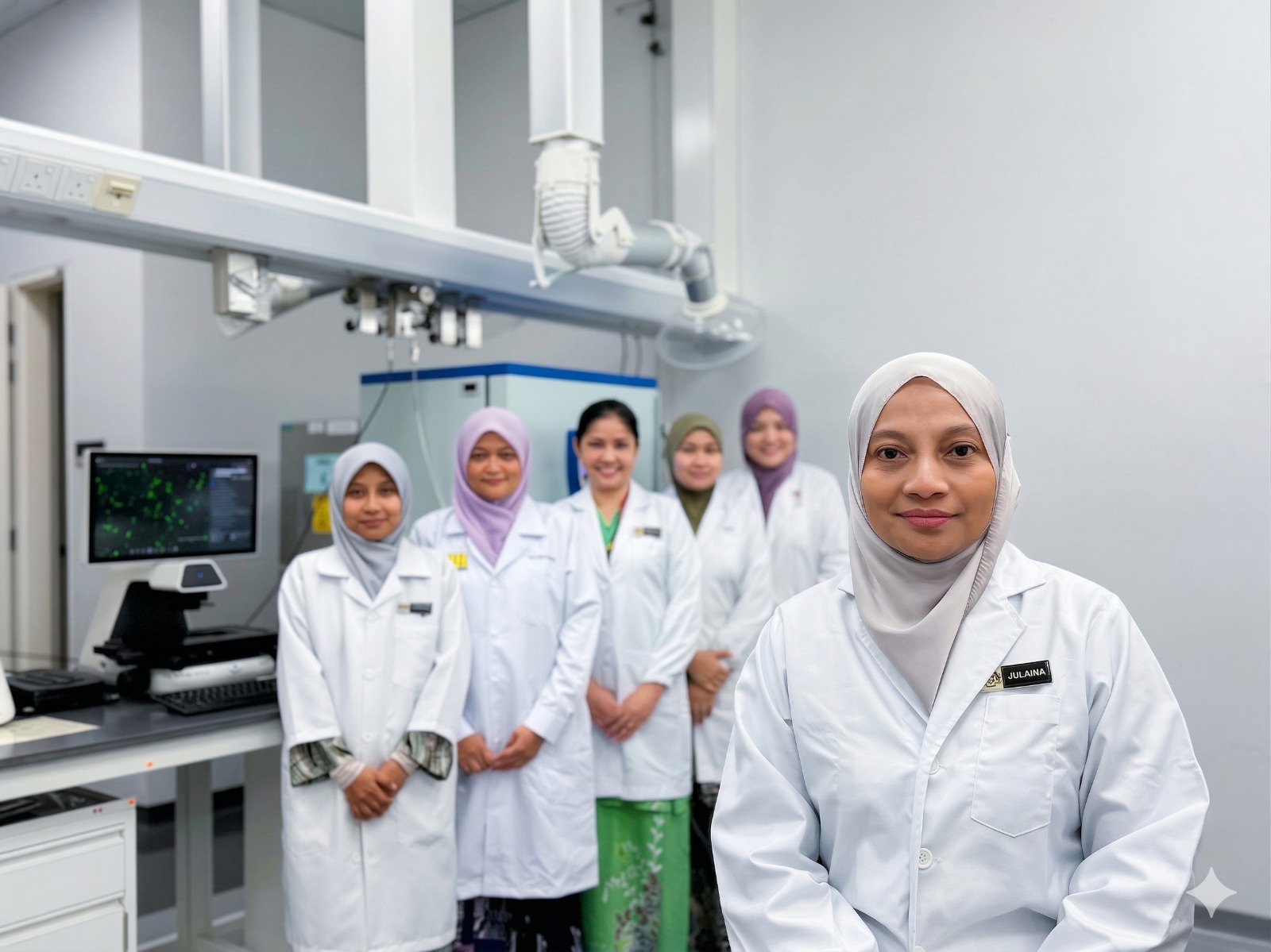
The Nutrition Unit conducts advanced research in nutritional biochemistry, nutrigenomics, and food chemistry, supports national health priorities, maintains MyFCD, develops biomarkers, advises policymakers, and fosters collaborations.
Key Activities
- Integrate biochemical, omics, and preclinical research to study food’s impact on NCDs.
- Study on functional foods for NCDs prevention.
- Updates of Malaysian Food Composition Database (MyFCD).
- Develop sensor-based detection kits.
- Advise on food legislation and guidelines.